

Living in Los Angeles costs between $4,200 and $8,500 per month for a single person, or $7,800 to $15,000 per month for a family of four. These ranges include housing, utilities, food, transportation, healthcare, and basic lifestyle expenses, but exclude discretionary spending like entertainment and travel.
The biggest expense is housing, which accounts for 40% to 50% of your monthly budget. California state income taxes add another layer of cost that many people overlook when moving from other states. Transportation expenses run higher than the national average due to car dependency and gas prices that fluctuate between $4.00 and $5.00 per gallon.
Randall Wealth Management Group has helped hundreds of Long Beach and Los Angeles-area families plan budgets and manage the high cost of living in Southern California. We’ve seen firsthand how these expenses affect retirement planning, investment strategies, and overall financial health. This guide breaks down every major cost category with specific ranges based on real 2026 data from the greater LA area.
You’ll find detailed tables showing minimum, average, and maximum costs for each expense category, plus explanations of what drives prices up or down. By the end, you’ll know exactly how much money you need to earn and how to budget for life in Los Angeles.
Average Cost of Living in Los Angeles Overview
The cost of living in Los Angeles is 50% higher than the national average. Housing costs run 133% above the national median, while groceries cost 8% more, utilities cost 6% more, and transportation runs 35% higher.
Here’s what a typical monthly budget looks like across different household types:
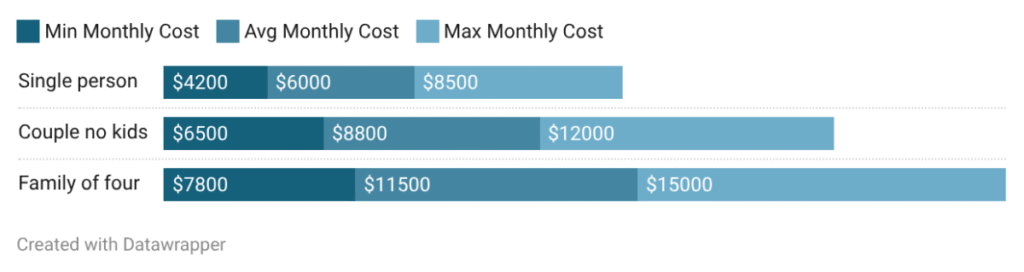
Single person costs $4,200 to $8,500 per month. This covers a studio or one-bedroom apartment, basic utilities, groceries for one, transportation, health insurance, and minimal entertainment. Most single professionals in LA spend between $4,200 and $8,500, with an average monthly cost of around $6,000. The range exists because housing location drives most of the variation. A studio in Long Beach costs far less than one in Santa Monica.
Couple with no kids costs $6,500 to $12,000 per month. Two people share housing costs but double food, transportation, and insurance expenses. Most couples fall between $6,500 and $12,000, with an average monthly cost of around $8,800. Couples who both work can afford higher rent in desirable neighborhoods. Single-income couples typically need to budget more carefully and choose less expensive areas.
Family of four costs $7,800 to $15,000 per month. Adding children brings childcare, larger housing needs, higher food costs, and increased healthcare expenses. Most families of four spend between $7,800 and $15,000, with an average monthly cost of around $11,500. Childcare alone can add $1,500 to $2,500 per month per child, which pushes family budgets significantly higher than those of couples without kids.
What’s Typically Included in Cost of Living Estimates
Standard cost of living calculations include these core expenses:
- Rent or mortgage payment
- Utilities (electricity, water, gas, trash)
- Groceries and household supplies
- Transportation (car payment, insurance, gas, or public transit)
- Health insurance premiums
- Basic phone and internet service
- Minimum required insurance (health, auto, renters/homeowners)
What Costs Extra
These expenses appear in most LA budgets but get excluded from basic calculations:
- Childcare and preschool: $1,500 to $2,500 per child per month
- Private school tuition: $15,000 to $45,000 per year
- Dining out and entertainment: $300 to $1,200 per month
- Gym memberships: $40 to $200 per month
- Pet care: $100 to $300 per month
- Parking (if not included in rent): $100 to $400 per month
- Savings and retirement contributions: 10% to 20% of income
- Emergency fund building: $200 to $500 per month
What Affects the Cost of Living in Los Angeles
Housing Costs in Los Angeles
Housing dominates your LA budget. Rent or mortgage payments typically consume 35% to 50% of your monthly income, significantly higher than the recommended 30% threshold.
Rental Costs by Neighborhood and Size
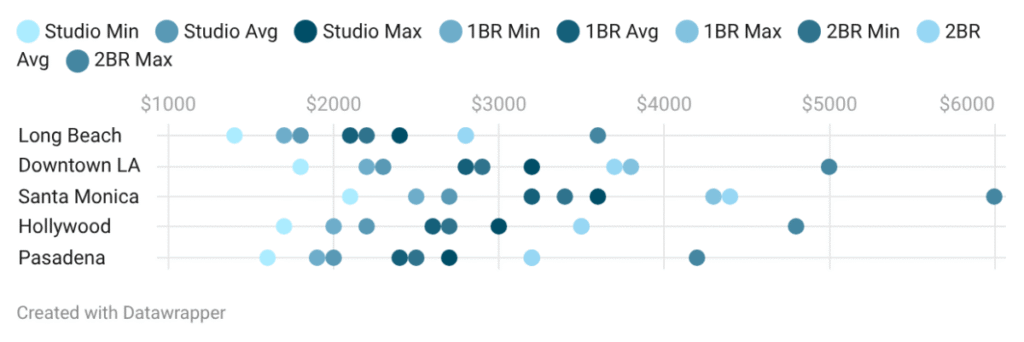
Long Beach studio costs $1,400 to $2,400 per month. Long Beach offers more affordable options compared to Westside neighborhoods while maintaining beach access. Most Long Beach studios rent between $1,400 and $2,400, with an average cost of around $1,800. Prices vary based on proximity to the beach and downtown areas. Studios farther from the water cost less but require longer commutes.
Long Beach one-bedroom costs $1,700 to $2,800 per month. One-bedroom apartments provide more space and often include parking. Most Long Beach one-bedrooms fall between $1,700 and $2,800, with an average cost around $2,100. Buildings with amenities like pools, gyms, or secured parking push toward the higher end. Older buildings without renovations sit at the lower end.
Downtown LA studio costs $1,800 to $3,200 per month. Downtown living puts you near business centers and public transit. Most Downtown LA studios rent between $1,800 and $3,200, with an average cost of around $2,300. Newer high-rises with concierge service and rooftop amenities command premium prices. Older buildings in less trendy blocks offer better value.
Santa Monica studio costs $2,100 to $3,600 per month. Santa Monica carries the highest rents due to beach proximity and desirable weather. Most Santa Monica studios range between $2,100 and $3,600, with an average cost of around $2,700. Ocean-view units or walking distance to the pier cost significantly more. Units several blocks inland provide savings while maintaining neighborhood access.
Hollywood one-bedroom costs $2,000 to $3,500 per month. Hollywood offers entertainment industry proximity and nightlife access. Most Hollywood one-bedrooms rent between $2,000 and $3,500, with an average cost of around $2,600. Buildings near major studios or trendy areas like Los Feliz cost more. Areas farther from main corridors offer lower rents with trade-offs in walkability.
Pasadena two-bedroom costs $2,500 to $4,200 per month. Pasadena provides family-friendly neighborhoods with good schools and less traffic. Most Pasadena two-bedrooms fall between $2,500 and $4,200, with an average cost around $3,200. Historic districts and areas near Caltech command higher prices. Neighborhoods on the city’s edges offer more affordable options.
Home Purchase Costs by Area
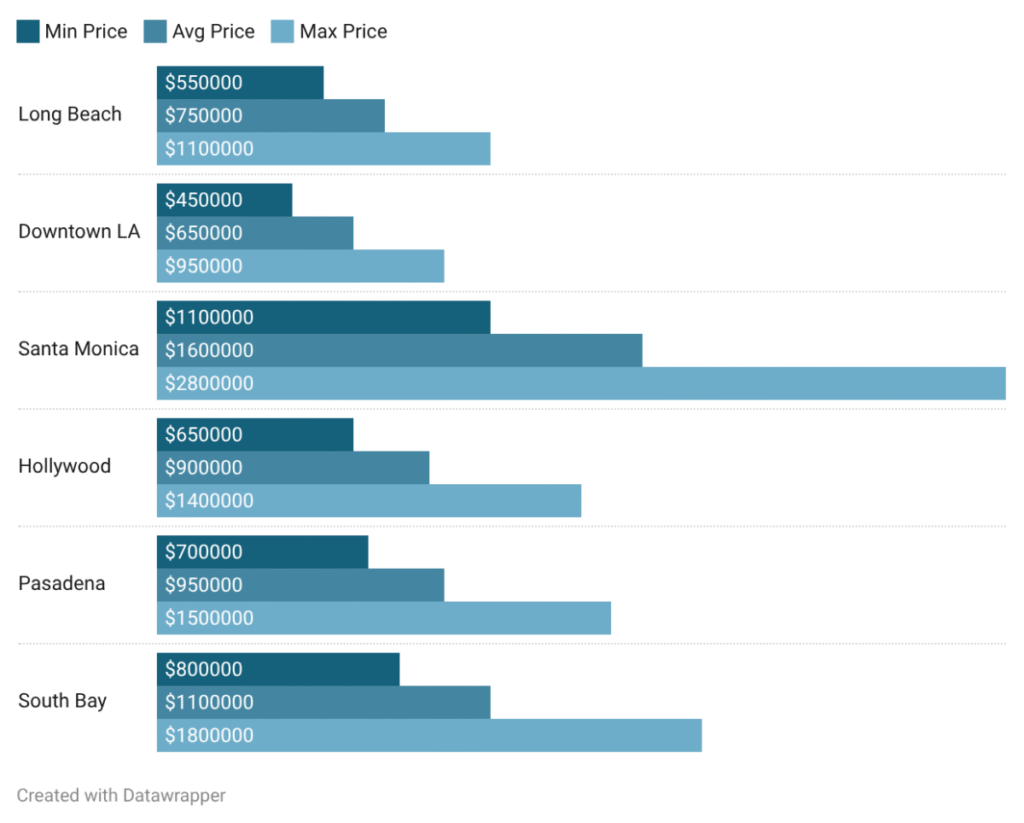
Long Beach home costs $550,000 to $1,100,000. Long Beach offers more affordable homeownership with coastal access. Most Long Beach homes sell between $550,000 and $1,100,000, with an average price around $750,000. Single-family homes in established neighborhoods sit in the middle range. Beachfront properties or newly renovated homes push toward the maximum. Condos and townhomes offer entry points at lower prices.
Santa Monica home costs $1,100,000 to $2,800,000. Santa Monica represents the premium end of LA real estate. Most Santa Monica homes sell between $1,100,000 and $2,800,000, with an average price around $1,600,000. Even small starter homes cost over $1 million due to location desirability. Homes with ocean views or near Montana Avenue shops reach the upper range.
Pasadena home costs $700,000 to $1,500,000. Pasadena attracts families seeking good schools and historic charm. Most Pasadena homes sell between $700,000 and $1,500,000, with an average price around $950,000. Craftsman-style homes in historic districts command premium prices. Newer developments and condos provide more affordable entry points.
Utilities and Energy Costs
Utilities in Los Angeles run slightly higher than the national average but remain more predictable than housing costs. California’s mild climate keeps heating and cooling costs moderate compared to extreme-weather states.
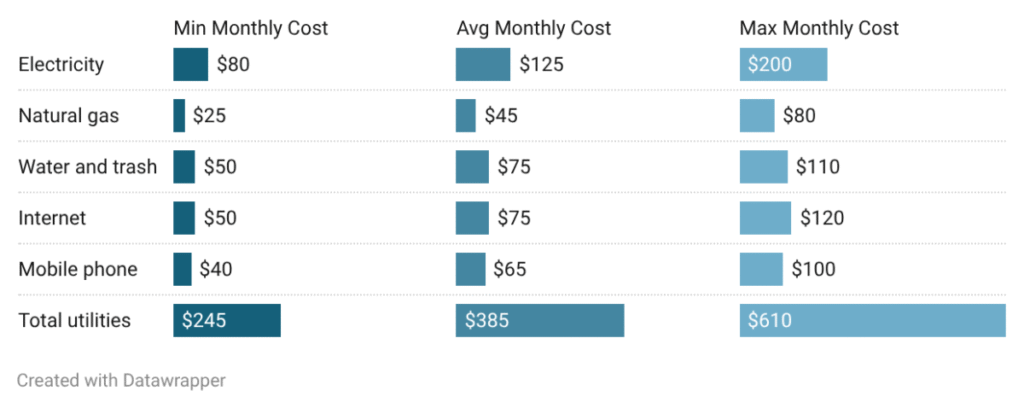
Electricity costs $80 to $200 per month. LA’s electricity rates vary by provider and usage. Most households pay between $80 and $200, with an average cost of around $125. Studio and one-bedroom apartments sit at the lower end. Larger homes with air conditioning during summer heat waves push toward the maximum. Time-of-use plans can reduce costs if you shift usage to off-peak hours.
Natural gas costs $25 to $80 per month. Gas powers heating, water heaters, and cooking appliances. Most households spend between $25 and $80, with an average cost of around $45. Summer bills drop to the minimum when heating isn’t needed. Winter months bring higher costs, though LA’s mild winters keep increases moderate. Older homes with less efficient systems cost more to heat.
Water and trash costs $50 to $110 per month. LA water rates have increased due to drought concerns and infrastructure needs. Most households pay between $50 and $110, with an average cost of around $75. Single-person households hit the lower end. Families with multiple people taking daily showers and doing frequent laundry reach the higher end. Trash service is typically bundled into this cost.
Internet costs $50 to $120 per month. Reliable internet is essential for remote work and entertainment. Most households pay between $50 and $120, with an average cost of around $75. Basic plans with moderate speeds sit at the lower end. High-speed fiber connections for heavy streaming or gaming push toward the maximum. Bundle deals with TV service can increase or decrease costs depending on needs.
Mobile phone costs $40 to $100 per month per line. Phone plans vary widely based on data needs and carrier. Most people pay between $40 and $100, with an average cost of around $65. Budget carriers like Mint Mobile and Cricket offer lower rates. Premium unlimited plans from major carriers cost more but include better coverage and perks.
Grocery and Food Costs
Groceries in Los Angeles cost 8% more than the national average. Access to fresh produce year-round provides variety but doesn’t necessarily reduce costs compared to other major cities.
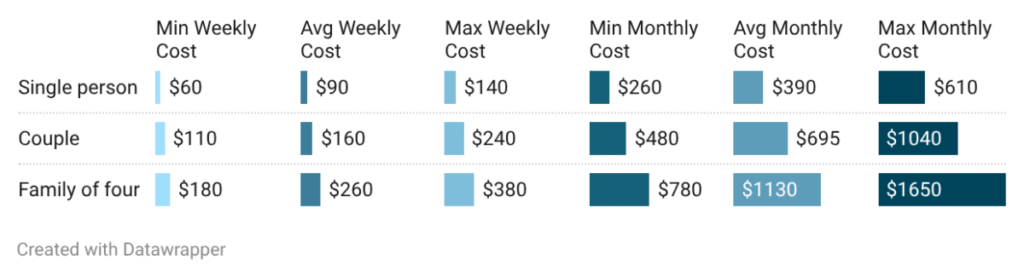
Single person groceries cost $260 to $610 per month. One person eating all meals at home spends this amount. Most single people pay between $260 and $610, with an average cost of around $390. Budget-conscious shoppers who buy generic brands and avoid prepared foods hit the lower end. People who prefer organic produce, specialty items, and convenient prepared meals reach the higher end.
Couple groceries cost $480 to $1,040 per month. Two people sharing meals reduces per-person costs slightly. Most couples spend between $480 and $1,040, with an average cost of around $695. Couples who meal plan and cook at home stay toward the lower end. Those who frequently buy premium ingredients or grab quick convenience items push higher.
Family of four groceries cost $780 to $1,650 per month. Feeding a family with children requires significantly more food budget. Most families of four spend between $780 and $1,650, with an average cost of around $1,130. Families who buy in bulk, use coupons, and limit processed foods achieve the lower range. Families preferring organic options and with teenagers eating large portions reach the maximum.
Common Grocery Item Costs
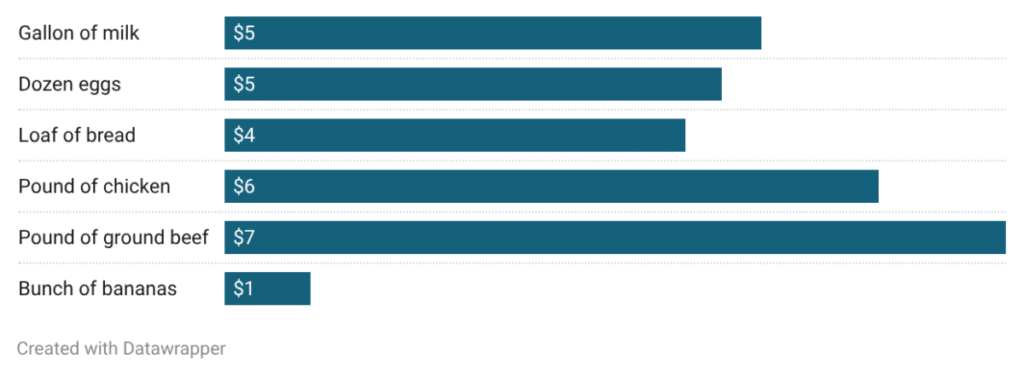
Fresh produce prices fluctuate seasonally, but stay relatively affordable due to California’s agricultural output. Meat and dairy products cost more than the national average. Organic and specialty items can double these baseline costs.
Dining Out Costs
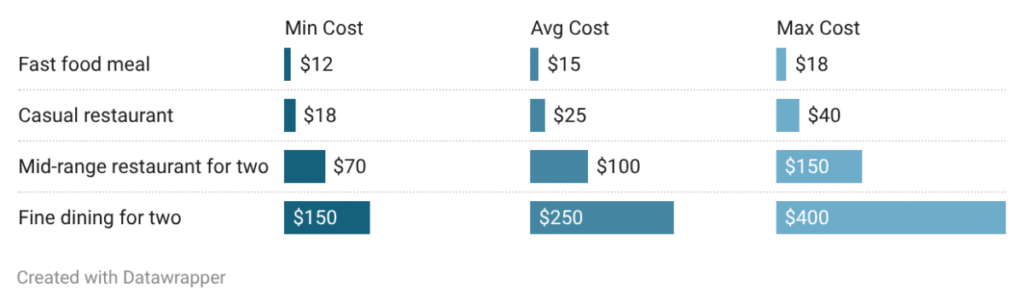
Fast food meal costs $12 to $18. Quick-service restaurants provide the cheapest dining option. Most fast food meals cost between $12 and $18, with an average of around $15. Basic combos at McDonald’s or Chipotle hit the lower end. Premium fast-casual options like Sweetgreen push higher.
Casual restaurant costs $18 to $40 per person. Sit-down restaurants without fine dining pretensions fall in this range. Most casual meals run between $18 and $40, with an average cost of around $25. Lunch specials and happy hours offer the best values. Dinner entrees with appetizers and drinks push toward the maximum.
Mid-range restaurant for two costs $70 to $150. Date nights or special occasions at quality restaurants require this budget. Most couples spend between $70 and $150, with an average cost of around $100. This includes two entrees, an appetizer, drinks, tax, and tip. Trendy restaurants in popular neighborhoods cost more. Neighborhood gems offer better value.

Transportation Costs
Transportation in Los Angeles runs 35% higher than the national average. Most residents need cars because public transit doesn’t serve all areas effectively.
Car Ownership Costs
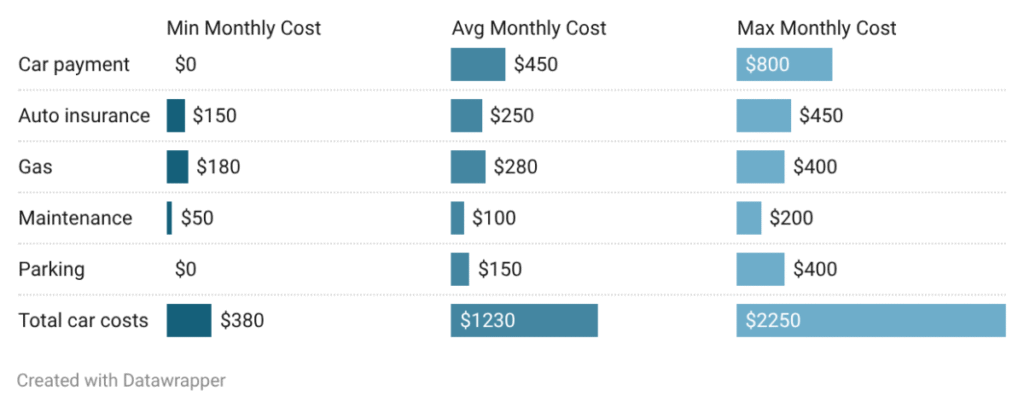
Car payment costs $0 to $800 per month. Paying cash eliminates this expense. Most people with car loans pay between $0 and $800, with an average cost of around $450. Buying used cars outright removes monthly payments. New car loans with longer terms create ongoing obligations. Luxury vehicles push payments to the maximum.
Auto insurance costs $150 to $450 per month. California requires liability coverage at minimum. Most drivers pay between $150 and $450, with an average cost of around $250. Young drivers and those with accidents pay the highest rates. Experienced drivers with clean records and good credit get better rates. Comprehensive coverage on expensive cars costs more than basic liability on older vehicles.
Gas costs $180 to $400 per month. Fuel expenses depend on commute distance and vehicle efficiency. Most drivers spend between $180 and $400, with an average cost of around $280. Short commutes under 10 miles daily hit the lower end. Long commutes exceeding 30 miles each way reach the maximum. Gas prices in LA fluctuate between $4.00 and $5.00 per gallon.
Maintenance costs $50 to $200 per month. Regular oil changes, tire rotations, and repairs add up. Most drivers budget between $50 and $200, with an average cost of around $100. New cars under warranty need minimal maintenance. Older vehicles require more frequent repairs. Setting aside money monthly prevents surprise expenses.
Parking costs $0 to $400 per month. Many apartments include parking, eliminating this cost. Most people pay between $0 and $400, with an average cost of around $150. Street parking in residential areas is free but often difficult to find. Monthly parking structures downtown or in business districts cost $200 to $400. Beach areas charge for parking by the hour.
Public Transportation Costs
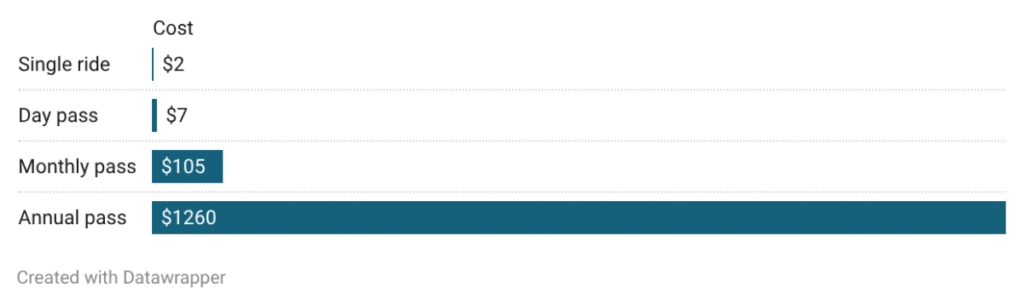
Monthly transit pass costs $105. LA Metro serves downtown, Hollywood, and some beach cities. Most regular riders pay $105 per month for unlimited access. This works for people living and working near Metro lines. Most LA residents need cars because transit doesn’t reach their homes or offices. Combining Metro with ride-share for last-mile connections costs more than driving.
Healthcare Costs
Healthcare in Los Angeles costs about equal to the national average. California’s individual mandate requires health insurance, adding this expense to every budget.
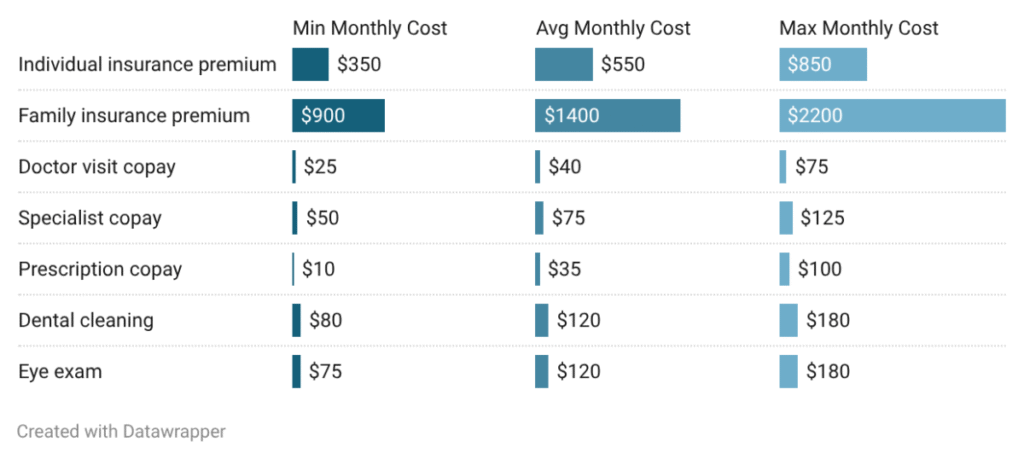
Individual insurance premium costs $350 to $850 per month. Health insurance represents a major expense for self-employed people. Most individuals pay between $350 and $850, with an average cost of around $550. Bronze plans with high deductibles sit at the lower end. Gold and Platinum plans with better coverage cost more. Employer-sponsored plans typically cost less because companies pay part of the premium.
Family insurance premium costs $900 to $2,200 per month. Covering a family multiplies insurance costs significantly. Most families pay between $900 and $2,200, with an average cost of around $1,400. This assumes employer coverage where the company pays 50% to 70% of premiums. Families buying individual market plans pay much more.
Doctor visit copay costs $25 to $75. Primary care visits require this payment even with insurance. Most people pay between $25 and $75, with an average copay of around $40. HMO plans typically charge lower copays. PPO plans with more flexibility cost more per visit.
Specialist copay costs $50 to $125. Seeing specialists for specific health issues costs more than primary care. Most specialist visits require between $50 and $125, with an average copay of around $75. Some plans require referrals before covering specialists. High-deductible plans make you pay the full cost until meeting the deductible.
Childcare and Education Costs
Childcare represents one of the largest expenses for LA families. Quality daycare and preschool often cost as much as rent.
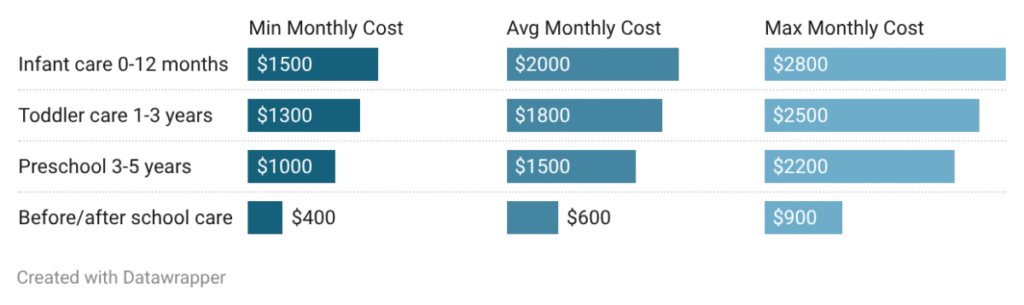
Infant care costs $1,500 to $2,800 per month. Caring for babies requires more staff and attention. Most infant daycare costs between $1,500 and $2,800, with an average of around $2,000. Basic daycare centers hit the lower end. Centers with educational programs and smaller ratios charge more. Nannies cost even more but provide in-home convenience.
Toddler care costs $1,300 to $2,500 per month. Care for one-to-three-year-olds costs slightly less than infant care. Most toddler programs run between $1,300 and $2,500, with an average cost of around $1,800. Part-time programs reduce costs but don’t work for full-time working parents. Full-day care, five days per week, hits the higher end.
Preschool costs $1,000 to $2,200 per month. Three-to-five-year-olds attend preschool programs. Most preschools charge between $1,000 and $2,200, with an average cost of around $1,500. Half-day programs cost less but require other care arrangements. Full-day programs with extended hours cost more but provide more convenience.
Before/after school care costs $400 to $900 per month. School-age kids need supervision outside school hours. Most programs run between $400 and $900, with an average cost of around $600. Basic supervision at school sites costs less. Programs with homework help and enrichment activities charge more.
Private School Tuition
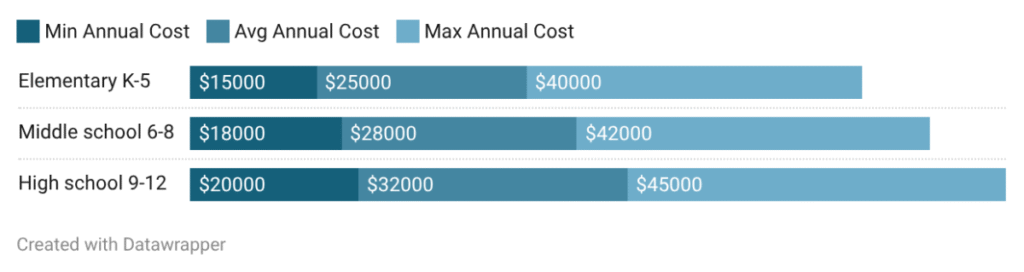
Elementary private school costs $15,000 to $40,000 per year. Private elementary education varies widely by school reputation. Most schools charge between $15,000 and $40,000, with an average of around $25,000. Religious schools often cost less. Elite preparatory schools charge premium tuition.
High school private tuition costs $20,000 to $45,000 per year. Private high schools prepare students for college. Most charge between $20,000 and $45,000, with an average of around $32,000. This doesn’t include additional costs for books, uniforms, sports, or extracurriculars. Top college preparatory schools charge the maximum and often have waiting lists.
State and Local Taxes
California has some of the highest state taxes in the nation. These taxes significantly affect your take-home pay and should factor into salary negotiations.
Income Tax Rates by Bracket
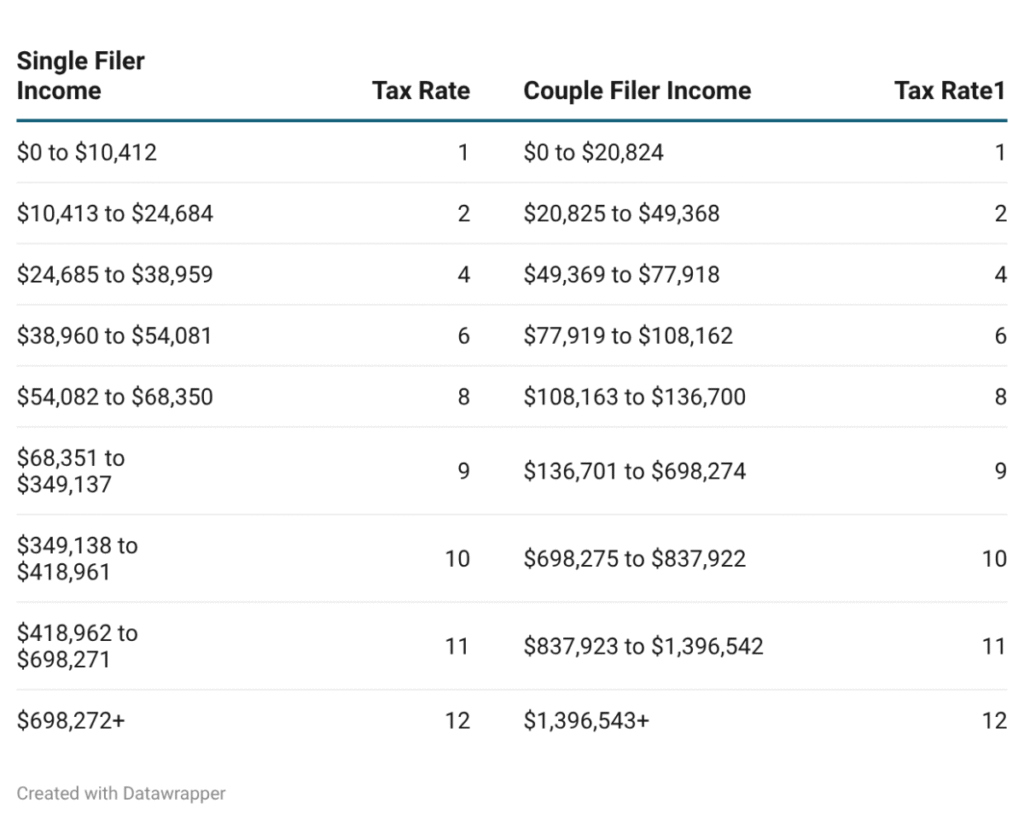
California’s progressive tax system means your rate increases with income. Someone earning $60,000 pays about $2,400 in state income tax (4% effective rate). Someone earning $100,000 pays about $5,800 (5.8% effective rate). High earners at $200,000 pay about $14,000 (7% effective rate).
Property Tax
California property tax averages 1.1% of home value annually. This rate stays relatively low compared to states like New Jersey or Texas.
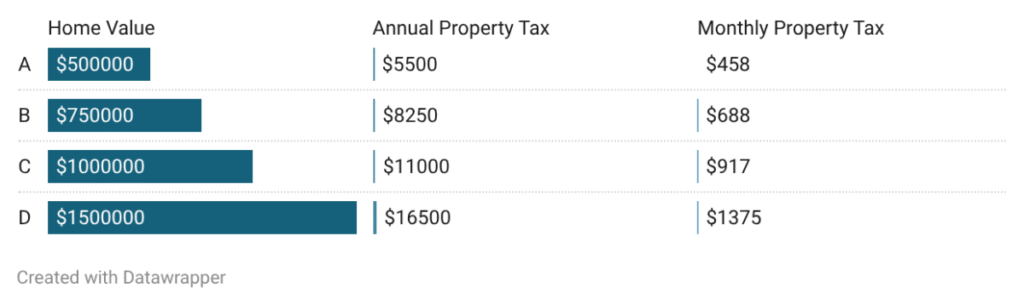
Property tax on $750,000 home costs $8,250 per year. Most LA homeowners pay around this amount. This breaks down to $688 per month when budgeting. Proposition 13 limits increases to 2% annually, protecting long-term homeowners from drastic hikes. New buyers pay based on the current purchase price.
Sales Tax
LA County charges 9.5% sales tax on most purchases. This ranks among the highest in the nation.
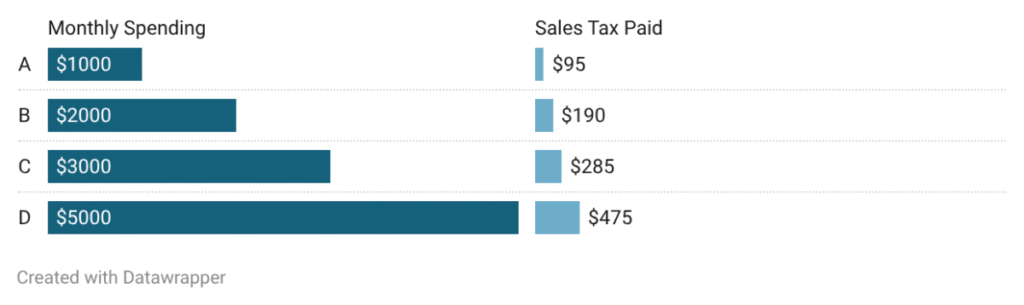
Sales tax hits lower-income households harder because they spend a larger percentage of their income on taxable goods. Groceries are exempt, which provides some relief. Clothes, electronics, furniture, and most other purchases include this tax.
Entertainment and Lifestyle Costs
LA offers endless entertainment options, from beaches to Hollywood to world-class restaurants. These discretionary expenses add up quickly.
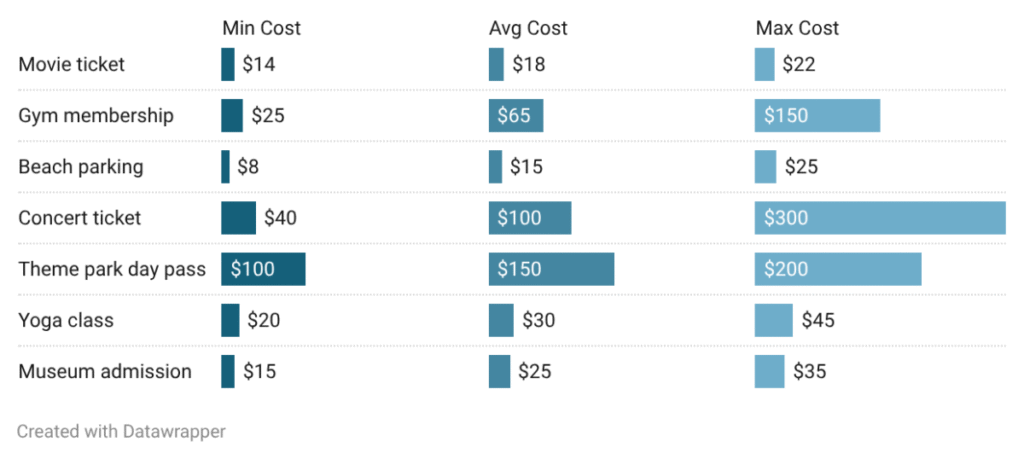
Gym membership costs $25 to $150 per month. Fitness options range from budget chains to luxury clubs. Most people pay between $25 and $150, with an average cost of around $65. Planet Fitness and similar budget gyms charge $25. Mid-range gyms like 24 Hour Fitness run $40 to $70. Boutique studios and Equinox charge $100 to $150.
Beach parking costs $8 to $25 per visit. LA’s beaches charge for parking in most areas. Most beach lots cost between $8 and $25, with an average of around $15. Weekday rates run lower. Summer weekend rates hit the maximum. Some neighborhoods offer street parking, but fill quickly.
Theme park day pass costs $100 to $200. Universal Studios and Disneyland draw millions of visitors. Most single-day tickets cost between $100 and $200, with an average of around $150. Peak season and weekend prices hit the maximum. Weekday off-season tickets cost less. Annual passes make sense for frequent visitors.
Hidden and Additional Costs
These expenses catch new LA residents by surprise. Budget for them from the start to avoid financial stress.
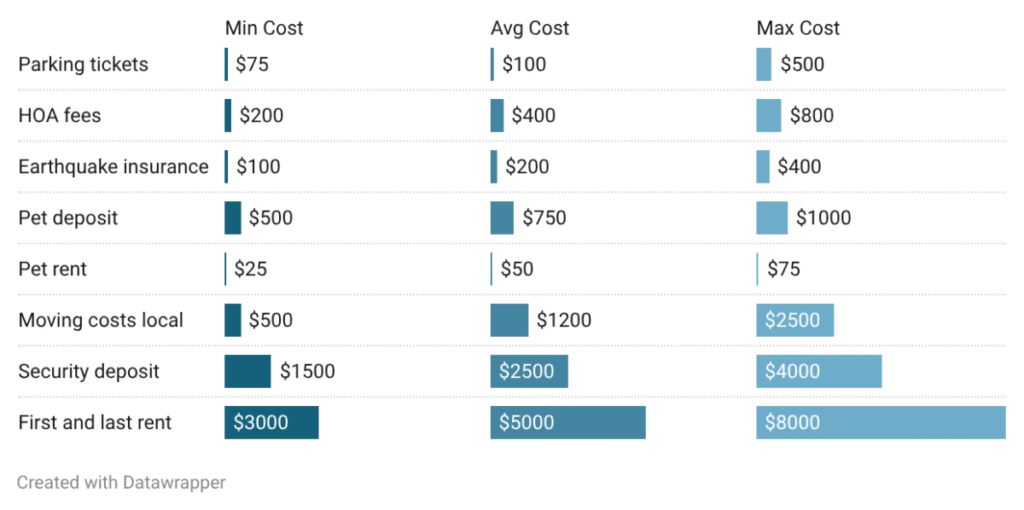
Parking tickets cost $75 to $500 per incident. Street cleaning violations cost $75. Parking in red zones runs $100. Blocking driveways or fire hydrants costs $500. The city enforces parking rules strictly. Read all street signs carefully. Apps like SpotAngels help avoid tickets.
HOA fees cost $200 to $800 per month. Condos and townhomes charge these fees. Most HOAs run between $200 and $800, with an average of around $400. Fees cover building maintenance, insurance, amenities, and reserves. Luxury buildings with pools, gyms, and concierge service charge more. Basic buildings charge less.
Earthquake insurance costs $100 to $400 per month. Standard homeowners’ insurance excludes earthquake damage. Most earthquake policies cost between $100 and $400, with an average of around $200. Older homes cost more to insure. Newer earthquake-resistant construction qualifies for lower rates. High deductibles keep premiums manageable.
Pet deposit costs $500 to $1,000 one time. Landlords charge deposits for dogs and cats. Most pet deposits run between $500 and $1,000, with an average of around $750. Small dogs cost less than large breeds. Multiple pets increase the deposit. Some apartments don’t allow pets at all.
Pet rent costs $25 to $75 per month. Many landlords charge ongoing pet rent. Most apartments add between $25 and $75, with an average of around $50. This is separate from the deposit. It continues for the life of your tenancy. Two pets might double this fee.
Moving costs locally run $500 to $2,500 one time. Professional movers charge hourly rates. Most local moves cost between $500 and $2,500, with an average of around $1,200. Studio apartments hit the lower end. Large homes with many items reach the maximum. Packing services add extra costs.
Security deposits range from $1,500 to $4,000. Landlords require deposits equal to one month’s rent. Most deposits fall between $1,500 and $4,000, with an average of around $2,500. This matches typical rent levels. You get this back when you move out if there’s no damage. Budget for this upfront cost.
First and last month rent costs $3,000 to $8,000. Many landlords require the first and last month upfront. Most tenants pay between $3,000 and $8,000, with an average of around $5,000. This doubles your move-in costs. Budget for this major expense when relocating to LA.
How to Plan Financially for LA’s High Cost of Living
Living in an expensive city requires different financial strategies than in cheaper regions. You can’t use the same rules of thumb that work elsewhere.
Budget Allocation for Los Angeles
Traditional advice says spend 30% on housing, but that’s unrealistic in LA. Here’s a more appropriate breakdown:
- Housing: 35% to 45%
- Transportation: 12% to 18%
- Food: 10% to 15%
- Healthcare: 8% to 12%
- Savings/retirement: 15% to 20%
- Everything else: 10% to 20%
Notice housing takes a larger share. Reduce transportation costs by living closer to work. Cook more to control food expenses. The 15% to 20% savings rate is non-negotiable despite high costs.
Retirement Savings in High-Cost Areas
You need more retirement savings when living in expensive cities. Your expenses don’t drop dramatically in retirement if you stay in LA.
Someone retiring in Nebraska might need a $50,000 annual income. That same lifestyle in LA requires $75,000 to $90,000. Over a 30-year retirement, that’s an extra $750,000 to $1,200,000 needed.
Start retirement planning early. Max out 401(k) contributions. Use IRAs. Build taxable investment accounts. The earlier you start, the more compound growth does the heavy lifting.
Tax-Efficient Strategies
California’s high taxes demand smart planning. Consider these strategies:
Maximize pre-tax retirement contributions. Traditional 401(k) and IRA contributions reduce your California taxable income. Someone in the 9.3% state bracket saves that amount plus federal taxes.
Use Health Savings Accounts. HSAs provide triple tax benefits and work especially well in high-tax states. Contributions are deductible, growth is tax-free, and withdrawals for medical expenses avoid taxes.
Consider Roth conversions strategically. If you plan to leave California in retirement, paying California taxes now on Roth conversions might not make sense. If staying, Roth accounts provide tax-free retirement income when rates might be even higher.
Time capital gains carefully. Long-term capital gains face federal taxes plus California’s regular income tax rates. Harvesting losses to offset gains saves on both.
Building Emergency Funds
High costs mean larger emergency funds. The standard three-to-six months of expenses in LA means:
- Single person: $15,000 to $30,000
- Couple: $25,000 to $50,000
- Family of four: $35,000 to $70,000
Build this fund in high-yield savings accounts. It protects you from job loss, medical emergencies, or major repairs without derailing long-term plans.
Managing Housing Costs
Housing dominates LA budgets. Consider these approaches:
Rent vs buy calculations matter more. Compare the five-year costs of renting versus buying. Include property taxes, HOA fees, maintenance, and the opportunity cost of the down payment. Sometimes renting provides more financial flexibility despite building no equity.
Roommates or house hacking. Renting out a room or ADU reduces your effective housing cost. Someone paying $2,500 for a two-bedroom who rents one room for $1,200 pays net $1,300.
Location trade-offs. Living 30 minutes farther from work might save $800 monthly on rent. That’s $9,600 annually. Run the numbers on commute costs and time value.
Final Thoughts
Living in Los Angeles costs 50% more than the national average. Single people need $4,200 to $8,500 per month for basics, while families face even steeper costs once childcare enters the picture. But high costs don’t mean LA is unaffordable. They mean you need a solid financial plan. Your housing choice affects everything else. Choosing Long Beach over Santa Monica saves $1,000 per month on rent, which is $12,000 per year toward retirement savings or emergency funds.
Use the tables in this guide to calculate your actual expenses. Add up your specific costs for housing, transportation, food, and other categories, then compare that total to your income. Living in LA requires different financial strategies than in cheaper regions. You need to save more for retirement because your expenses won’t drop dramatically when you stop working. Housing costs and property taxes continue, and healthcare expenses often increase with age.
At Randall Wealth Management Group, we help Long Beach and Los Angeles-area residents navigate these financial challenges every day. We understand the specific pressures of living in Southern California and build strategies that account for high costs, California taxes, and the unique opportunities this region offers.
Our Income Planning services help you create sustainable budgets that work with LA’s cost structure. We show you how to maximize your income, reduce unnecessary expenses, and build wealth even in an expensive city.
Call us at (562) 552-3367 or email Trandall@RandallWealthGroup.com to discuss your financial situation in Los Angeles. We’ll review your income, expenses, and goals to create a plan that actually works for life in Los Angeles.
If you’re looking for a trusted financial advisor in Los Angeles, our team is here to help you build a clear, personalized strategy for your future.